

Understanding Nicotine Pouch Safety: The Questions Worth Asking Right Now
Key Conclusion: Nicotine pouches are tobacco-free nicotine delivery products that eliminate combustion, smoke, and many of the most harmful byproducts associated with traditional cigarettes. Current research and regulatory signals suggest they carry a meaningfully lower risk profile than smoking — but "lower risk" is not the same as "risk-free." For adult nicotine users exploring smarter alternatives, understanding exactly what nicotine pouches contain, how they work, and where the evidence currently stands is the foundation for making an informed, confident choice.
The question of whether nicotine pouches are safe sits at the center of one of the most significant shifts in consumer nicotine behavior in a generation. As more adults move away from cigarettes and seek cleaner, more discreet options, nicotine pouches have moved from niche product to mainstream conversation — appearing in workplaces, gyms, and urban social circles where smoking or vaping would be unwelcome. With that visibility comes a responsibility to look at the evidence honestly, without either dismissing legitimate concerns or overstating risk in ways that obscure the genuine harm-reduction potential these products offer.
The Current Landscape: How Nicotine Pouches Became a Mainstream Conversation
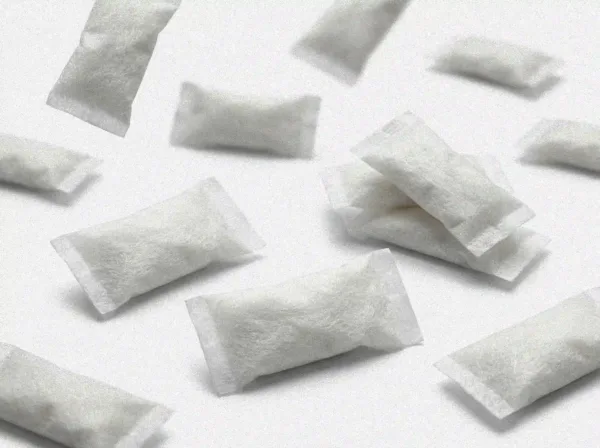
Nicotine pouches are small, pre-portioned pouches placed between the gum and upper lip, delivering nicotine through the oral mucosa — the soft tissue lining of the mouth — without any need to burn, inhale, or vaporize anything. They contain no tobacco leaf, no smoke, and produce no visible vapor. This sets them apart from cigarettes, cigars, traditional snus, and even most vaping products.
The global market for tobacco-free nicotine alternatives has expanded considerably over the past several years, driven by a combination of tightening smoking regulations, growing health awareness among adult consumers, and a broader cultural shift toward wellness-oriented lifestyles. What was once a predominantly Scandinavian habit — rooted in the long tradition of Swedish snus — has transformed into an international category with products ranging from mild, low-strength options to higher-strength formats designed for heavier nicotine users.
Regulatory engagement has followed market growth. In the United States, the Food and Drug Administration has been actively reviewing nicotine pouch products. In a notable recent development, the FDA issued a marketing authorization for certain nicotine pouch products, affirming that they can be marketed to adult consumers as products that expose users to fewer toxic chemicals than combustible cigarettes. This authorization is not an endorsement of safety in absolute terms, but it is a significant regulatory signal — one grounded in a risk-benefit framework that evaluates products against the documented harms of continued smoking. Research covered by Reuters and reported by 2firsts.com also found that recent quitters are more likely to turn to nicotine pouches as a cessation bridge, suggesting that these products are increasingly embedded in real-world quit journeys.
At the same time, voices in public health and child safety communities have raised concerns about product visibility, flavor variety, and the risk of these products reaching underage users. Those concerns are real and worth acknowledging — which is why the safety conversation needs to be both nuanced and grounded in what the science actually says.
How Nicotine Pouches Work: The Mechanism Behind the Product
To evaluate whether nicotine pouches are safe, it helps to first understand precisely how they deliver nicotine and what distinguishes that process from other methods.
The Delivery Mechanism
Transmucosal absorption is the core mechanism of nicotine pouches. When a pouch is placed under the lip, nicotine and other components within the pouch matrix dissolve gradually into saliva and are absorbed through the mucosal lining of the mouth directly into the bloodstream. This process bypasses the lungs entirely — there is no combustion, no pyrolysis (the chemical breakdown that occurs when tobacco burns), and no inhalation of carbon monoxide or the thousands of combustion-related chemicals found in cigarette smoke. For the user, this means nicotine arrives within a few minutes, with effects that typically sustain across a session lasting 20 to 60 minutes depending on the product.
What Nicotine Pouches Contain — And What They Don't
A standard nicotine pouch contains pharmaceutical-grade or food-grade nicotine, a plant-based filler (commonly microcrystalline cellulose or similar fiber), moisture regulators, pH adjusters (to optimize nicotine absorption), flavorings, and sweeteners. Critically, they do not contain tobacco leaf in any form. This is not merely a marketing distinction — it matters enormously from a toxicological standpoint, because a significant portion of the harmful compounds in traditional tobacco products derive from the tobacco plant itself and from the combustion process.
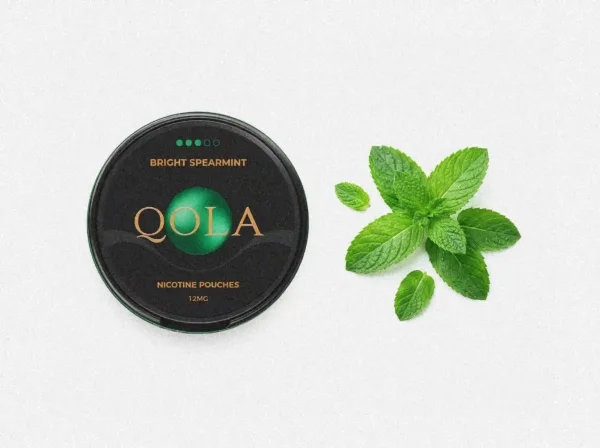
QOLA nicotine pouches, for example, are built entirely on this tobacco-free foundation, offering a range of flavors and strengths from 4mg to 20mg to accommodate different user needs and preferences — whether someone is just beginning to reduce their nicotine intake or is managing a higher existing dependency.
Nicotine Itself: The Important Nuance
Nicotine is an addictive stimulant, and no honest product category can sidestep that fact. It acts on nicotinic acetylcholine receptors in the brain, producing well-documented effects including increased alertness, mild mood elevation, and, with repeated use, physical dependence. The withdrawal symptoms associated with stopping nicotine use — irritability, difficulty concentrating, cravings — are real and familiar to anyone who has tried to quit.
However, the scientific consensus, supported by organizations including the Royal College of Physicians in the United Kingdom, distinguishes sharply between nicotine addiction and nicotine toxicity from tobacco smoke. The carcinogens, particulate matter, carbon monoxide, and thousands of other chemicals generated by burning tobacco are responsible for the vast majority of smoking-related disease. Nicotine itself, while addictive, is not the primary driver of lung cancer, cardiovascular disease, or chronic obstructive pulmonary disease in smokers — the combustion process is. This distinction is at the heart of harm reduction as a public health strategy.
Local Oral Effects
The oral tissue in contact with a nicotine pouch does experience exposure to nicotine and other pouch components. Some users report mild gum irritation, particularly at higher strengths or with extended use in the same location. Research into whether repeated, long-term pouch use affects oral health — including gum tissue, tooth enamel, and salivary gland function — is ongoing. The current evidence does not indicate the severe oral tissue damage associated with smokeless tobacco products like chewing tobacco or American-style snuff, but users with pre-existing gum conditions should consult a dental professional.
Evidence and Perspectives: What the Research and Regulators Say
Nicotine pouches do not carry the same evidentiary weight of decades of research that exists for cigarettes. They are a relatively recent product category, and long-term epidemiological data on their health effects in large populations simply does not yet exist. This is an honest limitation — and any source that claims otherwise is overstating what the science can currently support.
What exists is a growing body of comparative and short-term research, alongside regulatory assessments that evaluate these products within a harm-reduction framework.
| Perspective / Approach | Strengths | Trade-offs | Best Fit |
|---|---|---|---|
| Regulatory Harm Reduction (e.g., FDA framework) | Grounded in risk-benefit analysis; acknowledges that for current smokers, switching reduces net harm | Does not establish absolute safety; authorization is product-specific, not category-wide | Adult smokers seeking a credible, evidence-acknowledged alternative |
| Public Health Concern Focus | Highlights real risks: addiction, youth access, marketing concerns | Can overweight absolute risk relative to comparative risk; may discourage beneficial switching in adults | Policy discussions, youth prevention, parental awareness |
| Long-Term User Perspective | Practical experience with tolerability, convenience, and smoking cessation outcomes | Individual reports are not clinical evidence; selection bias applies | Adults who have already reduced or eliminated cigarette use with pouches |
| Emerging Clinical Research | Provides short-term toxicological data; identifies components for further study | Limited longitudinal data; industry-funded studies require scrutiny | Researchers, healthcare providers, and informed consumers |
The FDA's review of nicotine pouches — which resulted in authorization for certain products to be marketed as exposing users to fewer harmful chemicals than cigarettes — represents a meaningful signal within this framework. It is worth noting that this authorization applies to specific products that submitted substantial scientific evidence; it is not a blanket green light for the entire category. The underlying principle, however, is consistent with what harm reduction science has long argued: for a person who would otherwise continue smoking, switching to a product that removes combustion from the equation represents a net health gain.
Research cited by sources including 2firsts.com, referencing U.S.-based studies, found that nicotine pouches are increasingly used by recent quitters as a transitional tool — suggesting real-world effectiveness in supporting cessation attempts, even if formal clinical trials specifically on pouches as cessation aids are still developing.
Concerns about youth access, highlighted by sources in the parental safety community, serve as an important counterweight. The same flavor variety and discreet form factor that make nicotine pouches appealing to adult professionals also lower the barrier to adolescent experimentation. Responsible brands and regulators are both obligated to take this seriously.
Where the Science Is Heading and What It Means for You
The nicotine pouch category is currently in a phase of rapid evidence accumulation. Regulatory bodies in multiple markets are refining their frameworks, researchers are designing longer-term studies, and consumer behavior data is revealing how adults actually integrate these products into their nicotine journeys.
A pattern consistently seen in this space is that informed adult consumers — people who have done their homework on what these products contain and what the current evidence says — make meaningfully better decisions about which products to use, at what strength, and for what purpose. The person who understands that a 20mg pouch is a high-strength option designed for heavy smokers, and who starts with a lower-strength product as a transitional tool, is in a fundamentally different position than someone grabbing whatever is available.
For current smokers, the harm-reduction calculus is fairly clear: switching completely from combustible cigarettes to tobacco-free nicotine pouches removes the single most dangerous element of smoking — the act of burning and inhaling. The residual risks associated with nicotine itself — primarily cardiovascular effects at higher doses and the reality of ongoing dependence — are real but substantially smaller than the documented risks of continued smoking.
For people who do not currently use nicotine in any form, beginning to use nicotine pouches introduces both nicotine dependence and whatever local oral effects regular pouch use may carry. The harm-reduction argument applies to people who are already using nicotine and seeking a cleaner delivery method — not as an invitation for nicotine-naive adults to start.
Practical takeaways for users navigating this landscape today:
- Choose a strength level that matches your current nicotine habit — higher than necessary increases dependence risk without adding meaningful benefit.
- Rotate pouch placement within the mouth to minimize sustained contact with any single area of gum tissue.
- Treat nicotine pouches as part of a broader intention — whether that is replacing cigarettes, managing nicotine intake more cleanly, or working toward eventual cessation.
- Stay current with regulatory and research developments; the evidence base for this category is actively growing.
- If you have specific health concerns — particularly cardiovascular conditions, pregnancy, or oral health issues — consult a healthcare professional before using any nicotine product.
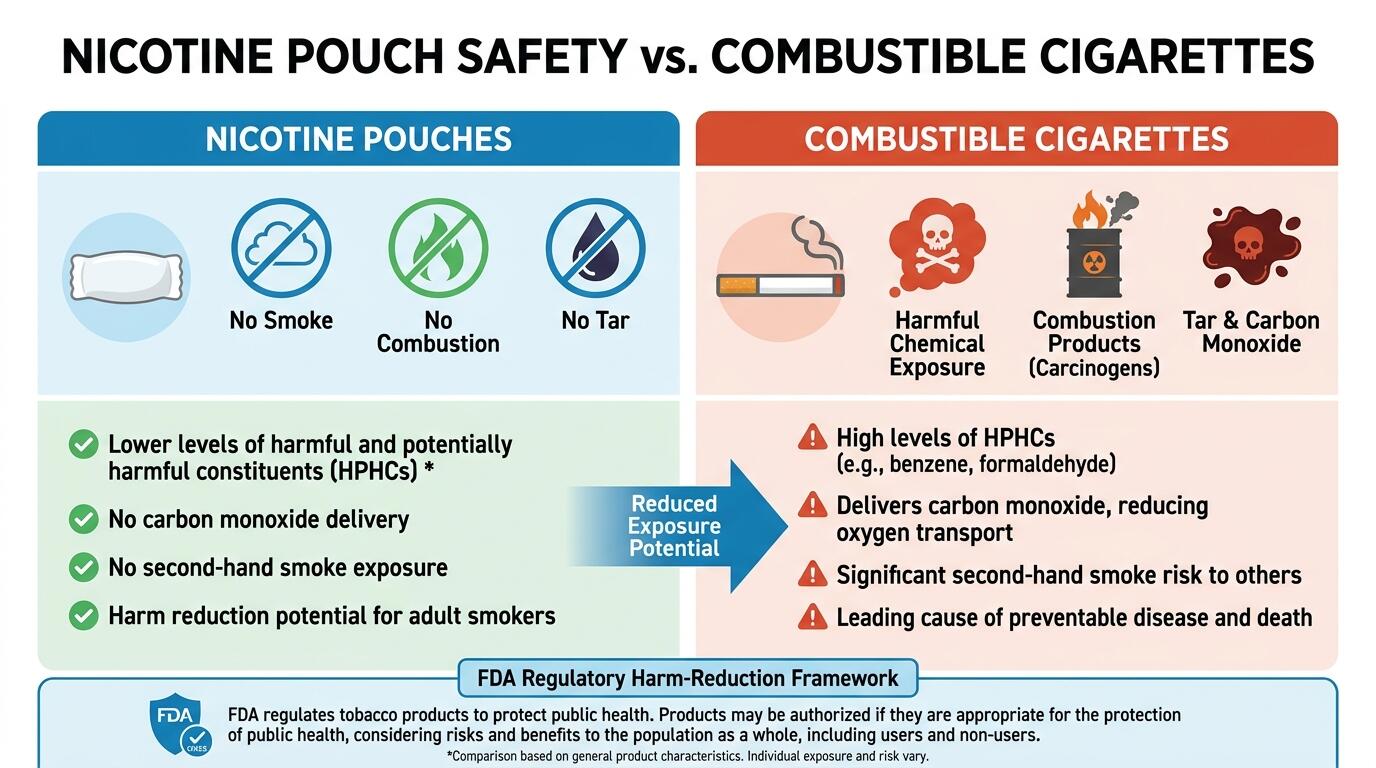
ALT: Comparison chart showing nicotine pouch safety research, harm reduction benefits, and how tobacco-free pouches differ from cigarettes for adult users
Questions & Answers
Q1: How do nicotine pouches compare to cigarettes in terms of harmful chemicals?
Nicotine pouches deliver nicotine without combustion, which means they do not produce carbon monoxide, tar, or the thousands of pyrolysis-related chemicals generated when tobacco burns. The FDA has authorized certain nicotine pouch products to be marketed as exposing users to fewer harmful and potentially harmful chemicals than cigarettes — a significant regulatory acknowledgment. This does not mean pouches are without risk, but the chemical exposure profile is substantially different from and generally considered less harmful than that of combustible tobacco.
Q2: Are nicotine pouches genuinely tobacco-free, or is that just a marketing claim?
Tobacco-free in the context of nicotine pouches is a genuinely meaningful distinction, not just marketing language. Products in this category — including QOLA nicotine pouches — contain no tobacco leaf, tobacco stems, or processed tobacco biomass. The nicotine they contain is either extracted and purified from tobacco plants or synthesized separately, then formulated into a plant-fiber pouch matrix. The absence of tobacco leaf removes an entire class of tobacco-specific nitrosamines and other plant-derived compounds from the product, which is a substantive toxicological difference from traditional snus or chewing tobacco.
Q3: How long does it take to feel the effects of a nicotine pouch, and how long does a session typically last?
Nicotine absorption through the oral mucosa begins within a few minutes of placing the pouch under the lip, with most users noticing effects — a mild stimulant sensation, reduced cravings — within three to five minutes. A typical session lasts anywhere from 20 to 60 minutes depending on the product's strength and formulation. QOLA pouches are designed to deliver a sustained, consistent experience within that window. Most users find they need fewer sessions per day as they calibrate to the right strength for their needs.
Summary
Three core conclusions emerge from an honest evaluation of nicotine pouch safety as it stands today.
First, nicotine pouches represent a meaningfully different risk profile compared to combustible tobacco products. By removing burning, inhalation, and tobacco leaf from the equation, they eliminate the most documented pathways to smoking-related disease. This is not a claim of zero risk — it is a recognition of where the greatest harms in nicotine use actually come from.
Second, the evidence base is real but still developing. Regulatory bodies including the FDA have made substantive harm-reduction assessments, and emerging research supports the value of these products for adult smokers seeking alternatives. Long-term epidemiological data is still accumulating, and intellectually honest users should stay engaged with how that evidence evolves.
Third, context matters enormously. For a current smoker who cannot or will not quit nicotine, switching to tobacco-free pouches is a rational harm-reduction choice supported by both science and regulatory bodies. For a nicotine-naive individual, starting any nicotine product introduces dependence risk that the harm-reduction argument does not cover.
The next step is straightforward: if you are an adult nicotine user looking for a cleaner alternative, start by understanding what you are using, choose a strength appropriate for your current habit, and approach the transition with intention.
Ready to explore a smarter nicotine alternative? Visit the QOLA website to discover the full range of tobacco-free nicotine pouches — crafted in multiple flavors and strengths to fit your lifestyle, delivered without smoke, vapor, or odor.
Sources & Citations
- The White Hatter. "The Hidden Dangers of Nicotine Pouches: What Parents Need to Know".
https://www.thewhitehatter.ca/post/the-hidden-dangers-of-nicotine-pouches-what-parents-need-to-know - 2firsts.com. "US Study Finds Nicotine Pouches May Help Tobacco Users Quit".
https://www.2firsts.com/news/study-finds-recent-quitters-more-likely-to-use-nicotine-pouches---reutersap - Zar Pouch. "Smoking Pouches Explained: A Guide for Adult Smokers".
https://zarpouch.com/blogs/sharing/smoking-pouches-explained-a-guide-for-adult-smokers?srsltid=AYCX9vKo-haoQlJgnehNnbv5jGH5U0HurW9jn3W5gxYKfuo3H4vraEb2 - qola.com. "QOLA Nicotine Pouches UK|No Smoking, No Vaping - Just qola".
https://qola.com/uk - Google News. "FDA Maintains Zyn Nicotine Pouches Are Less Harmful Than Cigarettes".
https://www.google.com/goto?url=CAESrgEBxCJF1-9K_QR3DkZh5dHruXWxNdxhu2haVACraeIlgAJExw260Nv1HbL9YdHge0ZebWQALM3tyGixn6A6cr9mqpr_FpZBKwq1bKSveyp6LB-5uHjzhVo4jcUYiql8SCLdoNmKoCFYQfRvhw6vDAeSk0RZ1DVtViBhiyzDux5GxDXP-2pOhTOTUNldf1R2frJ39T4t_9_2dB1E65J1ObvGjKgoKWtWahBMLAwR1Ws
Note: Standards and regulatory guidance may be updated; please check the latest official documents or consult professional advisors.
Comments
There are no comments yet.