
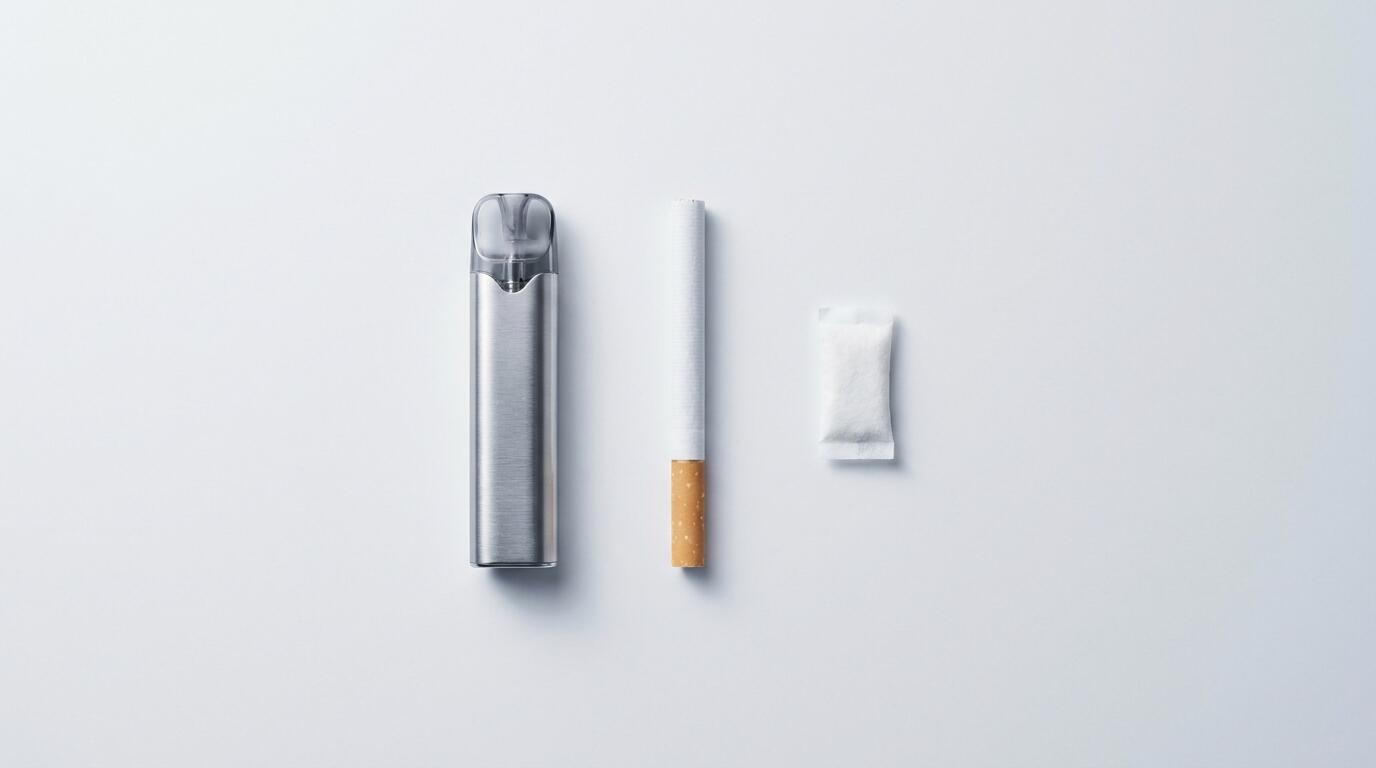
Nicotine Pouches vs. Cigarettes vs. Vapes: Breaking Down the Real Differences
Imagine standing at a crossroads that most adult nicotine users recognize: you are tired of stepping outside to smoke in the rain, or you are second-guessing the cloud of vapor you just exhaled in a crowded elevator. Maybe you have tried switching before, only to cycle back to old habits because nothing felt quite right. The good news is that the nicotine landscape has changed significantly, and there are now more options than ever — but more options also mean more confusion.
This article compares three main nicotine delivery formats — traditional cigarettes, vaping devices, and tobacco-free nicotine pouches — across the criteria that matter most to health-conscious adults: delivery method, ingredient profile, discretion, lifestyle fit, and overall cost-effectiveness. The goal is not to tell you what to feel, but to give you the clearest possible picture so you can make an informed decision on your own terms.
How to Evaluate Nicotine Products: The Criteria That Actually Matter
Choosing a nicotine product is not simply about satisfying a craving — it is about how that product fits into the life you are actively building. In our experience working within the nicotine alternatives space, a pattern consistently emerges: consumers who switch successfully from cigarettes to cleaner formats do so because they evaluated their options against criteria that go beyond habit, touching on health awareness, social context, and practical value.
The five criteria used throughout this comparison are:
Tobacco content and combustion. Whether a product burns tobacco is one of the most consequential distinctions in this category. Combustion produces thousands of chemical compounds, including carbon monoxide and tar, which the World Health Organization identifies as the primary drivers of smoking-related disease. Products that eliminate combustion — or tobacco entirely — represent a structurally different risk profile.
Delivery mechanism. How nicotine enters the body matters for absorption speed, peak effect, and duration. Inhalation delivers nicotine rapidly through lung tissue; oral absorption through the gum lining is slower but steadier and longer-lasting.
Discretion and social footprint. Smoke lingers on clothing and in rooms. Vapor dissipates faster but is still visible and can carry scent. A format with no smoke, no vapor, and no odor has an obvious advantage for professionals, parents, and travelers navigating shared spaces.
Ingredient transparency. Adult consumers increasingly scrutinize what goes into their bodies. Products with shorter, clearer ingredient lists tend to earn more trust — especially among those influenced by broader wellness trends.
Cost-effectiveness. Long-term affordability shapes real-world behavior. A product that is marginally better but significantly more expensive is less likely to become a sustainable switch. We will look at relative cost patterns across all three formats.
The Contenders: Cigarettes, Vapes, and Nicotine Pouches Defined
Traditional Cigarettes: The Familiar Baseline
A traditional cigarette is a rolled tube of cured tobacco wrapped in paper, designed to be lit and inhaled. It is the oldest format in this comparison and also the most heavily studied. When tobacco burns, it releases nicotine alongside tar, carbon monoxide, ammonia, formaldehyde, and hundreds of other compounds — many of which are classified as carcinogens by health authorities including the U.S. Centers for Disease Control and Prevention (CDC) and the WHO.
Cigarettes deliver nicotine quickly, reaching peak blood concentration within minutes of inhalation. The ritual — the lighting, the hold, the exhale — is psychologically reinforcing beyond the pharmacological effect. That said, they produce visible smoke, strong odor, and ash, all of which carry social and practical consequences. From a cost perspective, cigarettes are increasingly expensive in many markets due to taxation, and the long-term health costs — both personal and to public health systems — are well-documented and substantial.
Vaping Devices: The Electronic Middle Ground
A vaping device, also called an e-cigarette or vape, is an electronic product that heats a liquid (commonly called e-liquid or vape juice) containing nicotine, propylene glycol, vegetable glycerin, and flavoring compounds, converting it into an aerosol that is inhaled. Vaping does not burn tobacco, which eliminates combustion byproducts like tar and carbon monoxide. This distinction has led some health bodies, including Public Health England (now the UK Health Security Agency), to suggest that vaping may carry a reduced risk profile compared to smoking — though research into the long-term effects of inhaling heated aerosols is still ongoing.
Vaping devices range from small disposable units to refillable, rechargeable systems. The initial outlay for a quality device can be moderate, and ongoing costs for e-liquid or replacement pods vary. The vapor produced is visible and can be scented, which limits discretion in some settings. Devices also require charging, can malfunction or leak, and are subject to evolving regulations in many jurisdictions.
Tobacco-Free Nicotine Pouches: The Clean, Discreet Alternative
A nicotine pouch is a small, pre-portioned pouch placed under the upper lip, designed to release nicotine through the oral mucosa without any smoking, vaping, or chewing. Crucially, tobacco-free nicotine pouches contain no tobacco leaf or plant material whatsoever — the nicotine is pharmaceutical-grade and derived from non-tobacco sources or synthesized to be tobacco-free.
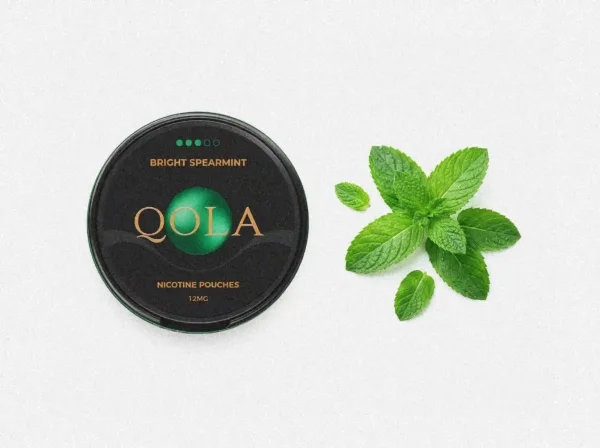
QOLA (酷拉) is a global tobacco-free nicotine pouch brand that exemplifies this category at its most refined. QOLA pouches are smoke-free, vapor-free, and odor-free, designed for clean, discreet use in virtually any environment. Available in multiple flavors and strengths ranging from 4mg to 20mg, QOLA products cater to a wide range of nicotine preferences — from those just beginning their transition away from cigarettes to experienced users who want more precise control over their nicotine intake. Each pouch delivers a steady, sustained nicotine experience that fits naturally into a modern, mobile lifestyle without any device, flame, or cloud.
Head-to-Head Comparison: Cigarettes vs. Vapes vs. Nicotine Pouches
| Criterion | Cigarettes | Vaping Devices | Nicotine Pouches (e.g., QOLA) |
|---|---|---|---|
| Tobacco content | Yes — cured tobacco leaf | No tobacco leaf (liquid nicotine) | No tobacco at all |
| Combustion involved | Yes | No | No |
| Delivery method | Inhalation (lungs) | Inhalation (lungs, aerosol) | Oral absorption (gum lining) |
| Smoke or vapor produced | Visible smoke | Visible vapor/aerosol | None |
| Odor | Strong, persistent | Mild to moderate | None |
| Discretion level | Low | Moderate | High |
| Device required | No (lighter) | Yes (charged device) | No |
| Ingredient complexity | High (thousands of compounds from combustion) | Moderate (e-liquid ingredients) | Low (clean, tobacco-free formulation) |
| Strength options | Fixed per brand | Variable by e-liquid | Multiple (e.g., 4mg–20mg) |
| Long-term cost pattern | High and rising (tax-driven) | Moderate (device + ongoing liquid) | Competitive per-use cost |
| Social/lifestyle fit | Low in many public settings | Moderate | High — usable virtually anywhere |
The table above reveals a clear structural pattern: cigarettes carry the heaviest burden across nearly every dimension — combustion, tobacco content, odor, and social footprint. They remain the most familiar but the least aligned with the values of health-conscious, lifestyle-oriented adults.
Vaping represents a meaningful step away from combustion, and in many markets it has served as a popular transitional tool. However, it still involves inhalation of a heated aerosol, produces visible vapor that is not always welcome in professional or social settings, and requires the ongoing upkeep of a device. For those who have already quit smoking and are using vapes to manage nicotine intake, the question is whether inhalation itself — even without tobacco — is the most sensible long-term habit.
Nicotine pouches like QOLA sit in a category of their own when it comes to lifestyle fit and ingredient simplicity. With no combustion, no inhalation, no tobacco, and no visible output, they offer a level of discretion and cleanliness that neither cigarettes nor vapes can match. The oral delivery method results in a steadier, more sustained nicotine experience rather than a sharp spike — a pattern many users find more manageable and less prone to overconsumption. From a cost-effectiveness standpoint, the absence of a device removes one recurring expense, and with clearly defined strength tiers from 4mg to 20mg, users can calibrate their usage precisely rather than guessing.
Which Should You Choose? Matching the Format to Your Life
The right nicotine format depends less on abstract rankings and more on your specific circumstances, priorities, and goals. Here are some common scenarios drawn from patterns we consistently see in this category.
If you are a current smoker who wants to reduce harm without quitting nicotine entirely, tobacco-free nicotine pouches are worth serious consideration. They break the combustion habit at a foundational level, eliminate tobacco from your intake entirely, and require no behavioral adjustment related to devices or settings. QOLA's range of strengths — starting at 4mg and scaling up to 20mg — means you can match your current nicotine dependency without undershooting and reaching for a cigarette out of frustration.
If you are a professional or urban dweller who values discretion above all, nicotine pouches are the clear winner. You can use one in a meeting, on a train, in an airport lounge, or during a dinner without anyone noticing. No stepping outside, no vapor cloud, no lingering smell on your jacket.
If you have already switched to vaping and are looking for the next step toward a cleaner experience, transitioning to oral nicotine pouches removes inhalation from the equation entirely. Many vapers find the sustained-release profile of pouches to be a satisfying replacement, particularly for periods when using a vape is impractical or socially unwelcome.
If you are primarily motivated by cost-effectiveness, consider the total picture. Cigarettes involve ever-increasing taxation in most markets, plus the downstream costs of health impacts. Vaping requires an upfront device investment plus recurring liquid or pod purchases, and device failures can create unexpected costs. Nicotine pouches have a straightforward per-unit cost with no device overhead — making budget management more predictable.
If you are not yet a nicotine user, none of the above options are recommended. These comparisons are relevant only for adult consumers already seeking a smarter way to manage an existing nicotine habit.
A quick summary of the top trade-offs:
- Cigarettes: familiar and immediately accessible, but carry the highest health and social cost of the three formats.
- Vapes: meaningful improvement over cigarettes in terms of combustion and tobacco elimination, but still involve inhalation and device dependency.
- Tobacco-free nicotine pouches (QOLA): the most discreet, tobacco-free, and lifestyle-compatible format, with flexible strength options and no device required.

ALT: Adult professional using a tobacco-free nicotine pouch discreetly at a desk, illustrating a smoke-free, vapor-free, odor-free nicotine alternative compared to cigarettes and vapes
People Also Ask
Q1: How do nicotine pouches deliver nicotine compared to cigarettes and vapes?
Nicotine pouches deliver nicotine through the oral mucosa — the soft tissue lining of the gum and inner lip — by passive absorption when the pouch sits under the upper lip. This is fundamentally different from cigarettes and vapes, both of which deliver nicotine through the lungs via inhalation. Oral absorption is generally slower and more sustained than pulmonary absorption, meaning users tend to experience a steadier nicotine release rather than a rapid spike, which many find easier to moderate over time.
Q2: Are nicotine pouches genuinely tobacco-free?
Tobacco-free nicotine pouches, such as those produced by QOLA, contain no tobacco leaf, stem, or plant material. The nicotine in these products is pharmaceutical-grade and not derived from tobacco biomass in its leaf form. This distinguishes them from snus or traditional oral tobacco products, which do contain tobacco. However, it is important to note that nicotine itself — regardless of source — is an addictive substance, and all nicotine products carry dependency risk and are intended for adult consumers only.
Q3: Which nicotine format tends to be the most cost-effective over time?
Cost-effectiveness varies by market and usage pattern, but tobacco-free nicotine pouches generally offer a predictable per-unit cost with no device investment or maintenance expenses. Cigarette costs are rising in most markets due to taxation, making them increasingly expensive over time. Vaping involves an upfront device cost plus recurring liquid or pod purchases, with the added variable of device replacement. For budget-conscious users, pouches often represent the most transparent and manageable cost structure — particularly when matched to the right strength tier to avoid overconsumption.
Key Takeaways
Three central conclusions emerge from this comparison, and they are worth holding onto regardless of where you currently sit on the nicotine spectrum.
First, the method of delivery is the most consequential distinction. Combustion is the defining characteristic of cigarettes and the primary driver of their harm profile. Any product — whether a vape or a nicotine pouch — that eliminates combustion represents a structurally different category, not merely a marginal improvement.
Second, tobacco content is not the same as nicotine content. Many adult consumers conflate the two. Tobacco-free nicotine pouches like QOLA contain no tobacco but do deliver nicotine, making them a genuinely different proposition from cigarettes or even snus. This distinction matters for those prioritizing a cleaner ingredient profile.
Third, lifestyle fit drives long-term success. Products that align with your daily reality — your workplace, your social settings, your budget, your desire for control — are the ones you will actually use consistently. Nicotine pouches score exceptionally well on discretion, ease of use, and cost predictability, which explains the growing pattern of users transitioning toward this format.
The practical next step is straightforward: identify which format genuinely matches your lifestyle priorities, assess the strength level that aligns with your current nicotine intake, and make a deliberate choice rather than a reactive one. If the evidence in this comparison points toward a cleaner, tobacco-free, smoke-free experience, that path is more accessible now than it has ever been.
Ready to experience nicotine on your own terms? QOLA offers a premium range of tobacco-free nicotine pouches in diverse flavors and strengths — designed to fit seamlessly into your modern lifestyle without smoke, vapor, or odor. Explore the full collection and take your first step toward a cleaner, smarter nicotine alternative.
References & Further Reading
- qola.com. "QOLA Nicotine Pouches UK|No Smoking, No Vaping - Just qola".
https://qola.com/uk - Are Nicotine Pouches Better Than Vaping? "Are Nicotine Pouches Better Than Vaping?".
https://prilla.com/us/blog/are-nicotine-pouches-better-than-vaping?srsltid=AYCX9vJ6FtLhuXeaZkavHH87YH6w76A-a_n7Ebx-b9UrIme7t8NJS1kV - Nicotine Pouches Vs Vapes. "Nicotine Pouches Vs Vapes".
https://www.snusdirect.eu/blog/nicotine-pouches-vs-vapes?srsltid=AYCX9vKRClpzqQgrsD0IM6-KYe0S9UjNZOnBax9j965BiC-976-4i0ym - The differences between smoking, vaping and pouches. "The Differences Between Smoking, Vaping and Pouches".
https://nordicspirit.ie/blog/differences-between-smoking-vaping-and-pouches
Note: Standards and regulatory guidance in the nicotine product category may be updated; please consult the latest official documents or qualified health advisors for current information.

Comments
There are no comments yet.