Nicotine pouches and nicotine patches share one important ingredient: nicotine. But the way they deliver it, how long they are used and their intended purposes are very different.
Nicotine pouches sit between the lip and gum, releasing nicotine into saliva. Nicotine patches are applied to the skin and designed to deliver nicotine gradually over many hours.
Both avoid tobacco combustion, but that does not make them medically equivalent or free from risk.
Key Takeaways
01 / Different absorption pathways. Nicotine pouches deliver nicotine primarily through the oral mucosa, while nicotine patches deliver it through the skin.
02 / Different delivery periods. Pouches are used during shorter sessions, whereas patches are commonly designed for 16 or 24 hours of nicotine delivery.
03 / Different medical status. Licensed nicotine patches are established nicotine replacement therapies (NRTs) for smoking cessation in the UK. Ordinary consumer nicotine pouches are not licensed stop-smoking medicines.
04 / Not directly comparable. A pouch labelled 12mg and a patch labelled 21mg/24h describe different nicotine measurements.
Nicotine Pouches vs Nicotine Patches: At a Glance
Although both products contain nicotine, their format, delivery profile and clinical role are significantly different.
PRODUCT TYPE 01
Nicotine Pouches
Format: Small oral sachet
Absorption: Through the lining of the mouth
Duration: Individual oral sessions, according to product instructions
Strength label: Commonly mg per pouch or mg/g
UK medical status: Consumer nicotine product, not licensed NRT
PRODUCT TYPE 02
Nicotine Patches
Format: Adhesive skin patch
Absorption: Through the skin
Duration: Commonly 16 or 24 hours
Strength label: Usually mg delivered over a specified period
UK medical status: Licensed nicotine replacement therapy
Full Comparison
| Feature | Nicotine Pouches | Nicotine Patches |
|---|---|---|
| Active ingredient | Nicotine | Nicotine |
| Contact area | Gum and oral lining | Skin |
| Delivery profile | Session-based | Sustained |
| Typical duration | Minutes | 16 or 24 hours |
| Smoking cessation evidence | Still developing | Established |
| Risk-free? | No | No |
What Are Nicotine Pouches?
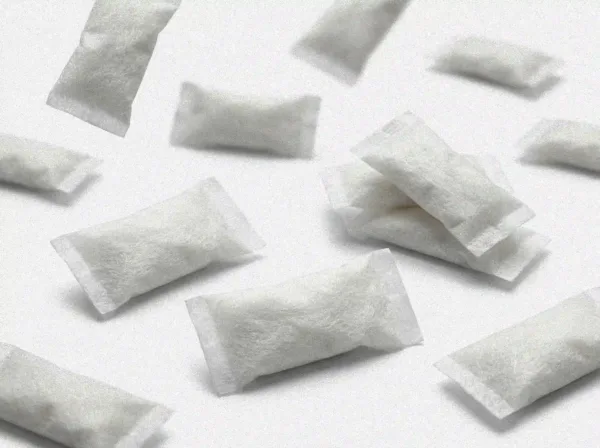
Nicotine pouches are oral products containing nicotine alongside other ingredients such as plant-based fibres, flavourings and sweeteners.
Many modern nicotine pouches do not contain tobacco leaf. Their nicotine may be extracted from tobacco or manufactured synthetically.
They are designed to rest between the lip and gum without chewing.
When exposed to saliva, the pouch releases nicotine, some of which passes through the oral mucosa into the bloodstream.
Nicotine pouches vary in strength, size, moisture, pH and formulation. These factors can influence nicotine release and absorption.
Unlike medicinal nicotine patches, conventional consumer nicotine pouches are not licensed smoking cessation treatments in the UK.
What Are Nicotine Patches?
Nicotine patches are medicinal products designed to provide controlled nicotine delivery through the skin.
They are a form of nicotine replacement therapy commonly used to help people stop smoking.
The patch contains nicotine within a specially designed delivery system. Once applied to the skin, nicotine gradually moves into the bloodstream.
The NHS describes nicotine patches as slow-acting NRT because they provide sustained nicotine delivery rather than a rapid, short-lived dose.
Different patches are designed for different wearing periods, commonly 16 or 24 hours.
The appropriate patch strength and treatment duration depend on the product and the person's smoking or nicotine-use history.
How Do They Deliver Nicotine?
The most important scientific distinction is the route through which nicotine enters the bloodstream.
01 / Oral Absorption — Nicotine Pouches
Nicotine pouches use the oral mucosa as their primary absorption pathway.
- The pouch is placed between the lip and gum.
- Saliva interacts with its contents.
- Nicotine dissolves and becomes available for absorption.
- Some nicotine crosses the oral lining into the bloodstream.
- The pouch is removed and disposed of after use.
Several factors influence the rate and amount of nicotine delivery, including nicotine content, formulation pH, moisture, pouch structure, duration of use and individual physiology.
A pouch's labelled nicotine content does not guarantee that the entire quantity enters the bloodstream.
For further information, read How Nicotine Pouches Work: From Your Lip to Absorption, Explained.
02 / Transdermal Absorption — Nicotine Patches
Nicotine patches use transdermal delivery, meaning nicotine passes through the skin and enters the bloodstream.
Unlike an oral pouch, a patch is designed to remain in place for an extended period.
Nicotine is released from the patch and absorbed through the layers of the skin over time.
This produces a more sustained exposure pattern than many short-duration oral nicotine products.
Research on transdermal nicotine delivery has shown that the release system and skin absorption characteristics influence the resulting blood nicotine concentrations.
However, nicotine patches do not necessarily deliver an identical quantity to every person. Skin characteristics and individual pharmacokinetic differences can affect exposure.
Which Delivers Nicotine Faster: Pouches or Patches?
Nicotine patches are designed for gradual, sustained delivery. Nicotine pouches release nicotine during a shorter period of oral use.
As a result, the two formats typically produce different concentration-time profiles.
With a nicotine pouch, blood nicotine concentrations may rise during the period of use and then decline after the exposure ends.
With a patch, nicotine enters the circulation over many hours, producing a more sustained profile.
A pharmacokinetic study of nicotine delivered through different administration routes confirmed that transdermal systems have distinctive release and absorption characteristics.
However, a universal statement that every nicotine pouch reaches its peak faster than every nicotine patch would require direct testing of the products being compared.
SCIENCE EXPLAINED
Nicotine patches are designed for continuous background delivery, whereas nicotine pouches are used for individual oral sessions.
16-Hour vs 24-Hour Nicotine Patches
Nicotine patches are available in different wearing formats. The duration stated on the packaging is part of the medicinal delivery system.
PATCH TYPE 01
16 Hours
A 16-hour patch is generally applied in the morning and removed before bedtime, according to the manufacturer's instructions.
Common UK medicinal strengths include 10mg, 15mg and 25mg delivered over 16 hours for certain products.
PATCH TYPE 02
24 Hours
A 24-hour patch is designed to remain in place throughout the day and overnight.
Examples of UK patch strengths include 7mg, 14mg and 21mg delivered over 24 hours, depending on the manufacturer.
These products may help manage nicotine cravings on waking, but overnight wearing can cause sleep disturbances or vivid dreams in some people.
The NHS notes that both 16-hour and 24-hour products are available.
Neither format is automatically more appropriate for everyone. The choice depends on the individual's needs and the instructions for the particular medicine.
Is a 21mg Nicotine Patch Stronger Than a 12mg Nicotine Pouch?
This is one of the most common mistakes when comparing nicotine products.
Although both labels contain milligram values, they do not necessarily measure the same thing.
NICOTINE POUCH EXAMPLE
12mg
Stated nicotine content in one unused pouch.
NICOTINE PATCH EXAMPLE
21mg/24h
Nominal amount of nicotine delivered over a 24-hour period.
The total nicotine physically contained inside the patch can be greater than the amount designed to be released.
For example, the product information for Nicotinell TTS 30 states that the patch contains 52.5mg of nicotine and delivers approximately 21mg over 24 hours.
Understanding the Three Numbers
12mg per pouch: stated nicotine content in one unused pouch.
21mg/24h patch: nominal nicotine delivery over 24 hours.
52.5mg in the patch: total nicotine contained in the specified unused patch system.
These are different measurements, so comparing the numbers directly does not establish relative strength or actual systemic nicotine exposure.
Furthermore, exposure from repeated pouch use cannot be estimated reliably without knowing the product's actual nicotine release and absorption characteristics.
Can Nicotine Patches Help People Quit Smoking?
Yes. Nicotine patches are licensed nicotine replacement therapies used to help people stop smoking.
The NHS recommends NRT as an evidence-based smoking cessation option.
A patch can provide sustained nicotine exposure, helping reduce withdrawal symptoms and background cravings.
For some people, a patch may be combined with a faster-acting licensed NRT product, such as nicotine gum, lozenges or a mouth spray.
The NHS identifies this approach as an effective way to manage both ongoing withdrawal and sudden cravings.
People seeking to stop smoking should consult a pharmacist, GP or stop-smoking service about appropriate treatment options.
NHS Smoking Cessation Support
Licensed nicotine replacement therapies are supported by clinical evidence and official UK treatment guidance.
Can Nicotine Pouches Be Used Instead of Nicotine Patches for Quitting?
Ordinary consumer nicotine pouches are not licensed nicotine replacement medicines in the UK.
Research on nicotine pouches has investigated nicotine release, pharmacokinetics and user behaviour.
However, evidence of nicotine delivery is not the same as evidence of an approved smoking cessation treatment.
The NHS states that evidence concerning nicotine pouches as smoking cessation products remains limited.
Therefore, consumer nicotine pouches should not be presented as medically interchangeable with nicotine patches.
Anyone seeking treatment for nicotine dependence should consider licensed medicines and evidence-based behavioural support.
Are Nicotine Patches Safer Than Nicotine Pouches?
Licensed nicotine patches have an established clinical evidence base for smoking cessation.
They are considered substantially safer than continuing to smoke because they do not expose the user to the many harmful substances generated by tobacco combustion.
However, they still contain nicotine and can cause unwanted effects.
Consumer nicotine pouches also avoid combustion, but their long-term health effects are less thoroughly understood.
There is insufficient high-quality, long-term comparative evidence to establish a universal safety ranking between nicotine pouches and medicinal patches.
The specific purpose of use, individual health circumstances and evidence supporting each product are important considerations.
Important to Know
Neither product should be described as completely risk-free. Nicotine is addictive, and differences in regulatory status or delivery method do not eliminate nicotine-related health concerns.
What Are the Side Effects?
Possible Side Effects of Nicotine Patches
Nicotine patches can produce both local and systemic side effects.
- Redness or irritation at the application site
- Itching or a skin rash
- Headaches
- Nausea
- Sleep disturbance
- Vivid dreams, particularly with some overnight patches
- Other nicotine-related symptoms
According to NHS patient guidance, skin irritation and sleep disturbance are recognised concerns.
Users should follow the product leaflet and seek advice if symptoms are persistent, severe or concerning.
Possible Side Effects of Nicotine Pouches
Nicotine pouches can cause adverse effects related to nicotine exposure or local contact with oral tissues.
- Nausea or dizziness
- Headaches
- Palpitations
- Mouth or gum irritation
- Changes in the oral mucosa
- Nicotine dependence
- Withdrawal symptoms after stopping regular use
Some oral health studies have identified localised mucosal changes among nicotine pouch users.
The long-term significance and frequency of these effects remain incompletely understood.
Persistent oral discomfort or unusual tissue changes should be assessed by a dentist or healthcare professional.
How Do You Apply a Nicotine Patch?
Nicotine patches should be used according to the specific manufacturer's patient information leaflet.
- Choose a clean, dry and suitable area of skin, such as the upper arm or chest.
- Avoid irritated, damaged or excessively hairy skin.
- Remove the protective backing.
- Apply the patch and press it firmly into place as instructed.
- Wear it for the specified duration.
- Remove and dispose of the used patch safely.
- Rotate the application site as directed by the manufacturer.
Do not cut a nicotine patch or modify the delivery system unless the specific product instructions explicitly permit it.
Used patches may retain nicotine and must be kept away from children and pets.
Can You Use Nicotine Pouches and Patches Together?
Using multiple nicotine-containing products can increase total nicotine exposure.
Excessive exposure may cause nausea, dizziness, sweating, palpitations and other symptoms.
Although combinations of certain licensed nicotine replacement therapies are supported by clinical evidence, this does not establish that combining an ordinary consumer nicotine pouch with a medicinal nicotine patch is appropriate.
People already using nicotine pouches who are considering nicotine patches for cessation should seek advice from a pharmacist or healthcare professional.
Safety Reminder
Do not combine nicotine products in an attempt to intensify nicotine effects. Seek professional advice when considering a change in nicotine treatment.
Are Nicotine Pouches and Patches Regulated Differently in the UK?
Yes. Their legal status differs.
Nicotine patches are licensed medicinal products regulated through the UK medicines framework.
Ordinary consumer nicotine pouches are not licensed nicotine replacement medicines.
The Tobacco and Vapes Act 2026 introduced restrictions on the sale and promotion of non-medicinal nicotine products.
From 29 October 2026, selling covered nicotine products to people under 18 became an offence across the UK.
The Act also includes restrictions involving promotional giveaways and substantial promotional discounts.
Licensed medicinal products are excluded from the relevant statutory definition of consumer nicotine products for these provisions.
This does not mean nicotine patches are unregulated. They are subject to medicines legislation instead.
See GOV.UK: Selling Vaping and Nicotine Products.
What About Nicotine Patches During Pregnancy?
Nicotine exposure during pregnancy requires caution.
However, the NHS advises that licensed NRT may be considered during pregnancy when needed to help someone stop smoking, following professional advice.
The risks associated with continued cigarette smoking are an important part of this clinical decision.
Healthcare professionals may recommend particular NRT products and wearing schedules depending on the circumstances.
Consumer nicotine pouches should not be assumed to have the same clinical evidence or authorised therapeutic role.
Anyone who is pregnant or breastfeeding should consult a qualified healthcare professional about nicotine exposure and appropriate cessation support.
What Does This Mean for QOLA Nicotine Pouches?
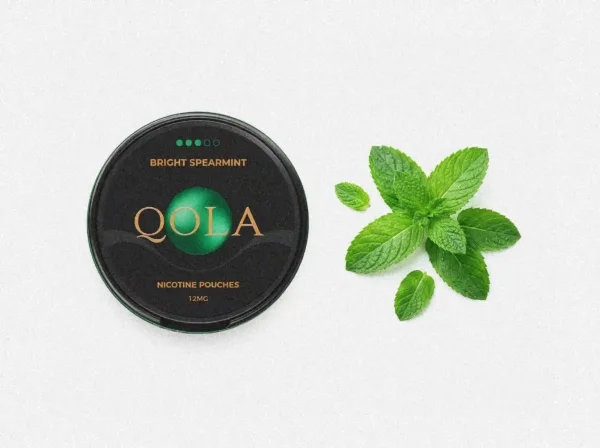
QOLA nicotine pouches contain synthetic nicotine and are designed for existing adult nicotine consumers.
They are placed between the lip and gum and use oral nicotine delivery rather than transdermal delivery.
QOLA nicotine strengths refer to the stated nicotine content of individual pouches.
These figures cannot be directly compared with the amount of nicotine delivered by a medicinal patch over 16 or 24 hours.
QOLA nicotine pouches are not licensed smoking cessation medicines and should not be presented as substitutes for medically approved nicotine patches.
Product-specific pharmacokinetic testing would be needed to establish how an individual QOLA formulation compares with a particular transdermal nicotine system.
Frequently Asked Questions
Are nicotine pouches the same as nicotine patches?
No. Nicotine pouches deliver nicotine through the oral mucosa, while patches deliver nicotine through the skin. They also differ in usage duration, formulation and UK medical status.
Which works faster, nicotine pouches or patches?
Nicotine patches are designed for sustained delivery over many hours, while nicotine pouches release nicotine during shorter oral sessions. Precise comparisons depend on the products tested.
Is a 21mg patch stronger than a 12mg pouch?
The labels measure different things. A 21mg/24h patch is designed to deliver nicotine over 24 hours, while a 12mg pouch indicates the stated nicotine content in one pouch. The numbers cannot be compared directly.
Are nicotine patches safer than nicotine pouches?
Licensed nicotine patches have a longer-established clinical evidence base for smoking cessation. There is insufficient direct long-term comparative evidence to make a universal safety claim across both categories.
Can nicotine patches help you quit smoking?
Yes. Nicotine patches are established, licensed nicotine replacement therapies used to manage cravings and withdrawal symptoms during smoking cessation.
Can nicotine pouches replace a nicotine patch?
Consumer nicotine pouches are not licensed stop-smoking medicines in the UK and should not be treated as medically equivalent to prescribed or over-the-counter nicotine patches.
Can you use a nicotine patch and pouch at the same time?
Combining nicotine products increases potential nicotine exposure. Consult a pharmacist or healthcare professional before considering such a combination.
Can you sleep with a nicotine patch?
Some patches are designed for 24-hour wear, while others are intended to be removed before bedtime. Follow the specific product instructions. Overnight use can cause vivid dreams or sleep disturbance in some people.
Do nicotine patches contain more nicotine than the label says?
The total nicotine physically contained in a patch can be greater than its labelled delivered dose. For example, a particular 21mg/24h patch contains 52.5mg of nicotine but is designed to deliver approximately 21mg over 24 hours.
Do nicotine patches and pouches cause addiction?
Both contain nicotine, which is addictive. Medicinal nicotine patches are used in structured treatment for nicotine dependence, while consumer nicotine pouches can sustain dependence.
The Bottom Line
Nicotine pouches and nicotine patches share an active ingredient but differ substantially in delivery, duration and medical purpose.
- Absorption: pouches use the oral mucosa; patches use the skin.
- Duration: pouches are used in shorter sessions; patches deliver nicotine over 16 or 24 hours.
- Strength: nicotine content per pouch is not directly equivalent to the labelled delivered dose of a patch.
- Clinical role: licensed patches are evidence-based smoking cessation treatments.
- Regulation: medicinal patches and consumer pouches fall under different UK regulatory frameworks.
- Safety: both contain nicotine and are not risk-free.
The main lesson is that identical active ingredients do not automatically make two delivery systems equivalent.
Anyone seeking help to stop smoking or manage nicotine dependence should consider licensed treatments and appropriate NHS or professional support.
Scientific and Official References
- NHS Better Health. Quit Smoking with Nicotine Replacement Therapies. Read NHS guidance.
- Mersey Care NHS Foundation Trust. Nicotine Patch Guide. Read the patient guide.
- Nicotine Population Pharmacokinetics in Healthy Smokers After Intravenous, Oral, Buccal and Transdermal Administration (2021). Read the research.
- Nicotinell TTS 30. Summary of Product Characteristics. Read the product information.
- Nicorette Invisi 25mg Patch. Summary of Product Characteristics. Read the product information.
- UK Government. Selling Vaping and Nicotine Products. Read UK regulatory guidance.
- UK Committee on Toxicity (2023). Statement on the Potential Toxicological Risks from Oral Nicotine Pouches. Read the scientific assessment.
Medical Disclaimer: This article is intended for general education and does not constitute medical advice. Nicotine is addictive and is not risk-free. QOLA nicotine pouches are not licensed smoking cessation medicines and are intended only for existing adult nicotine consumers aged 18 and over.
Comments
There are no comments yet.